
Debunking Misconceptions About Lease Termination Clauses - story-based
— 7 min read
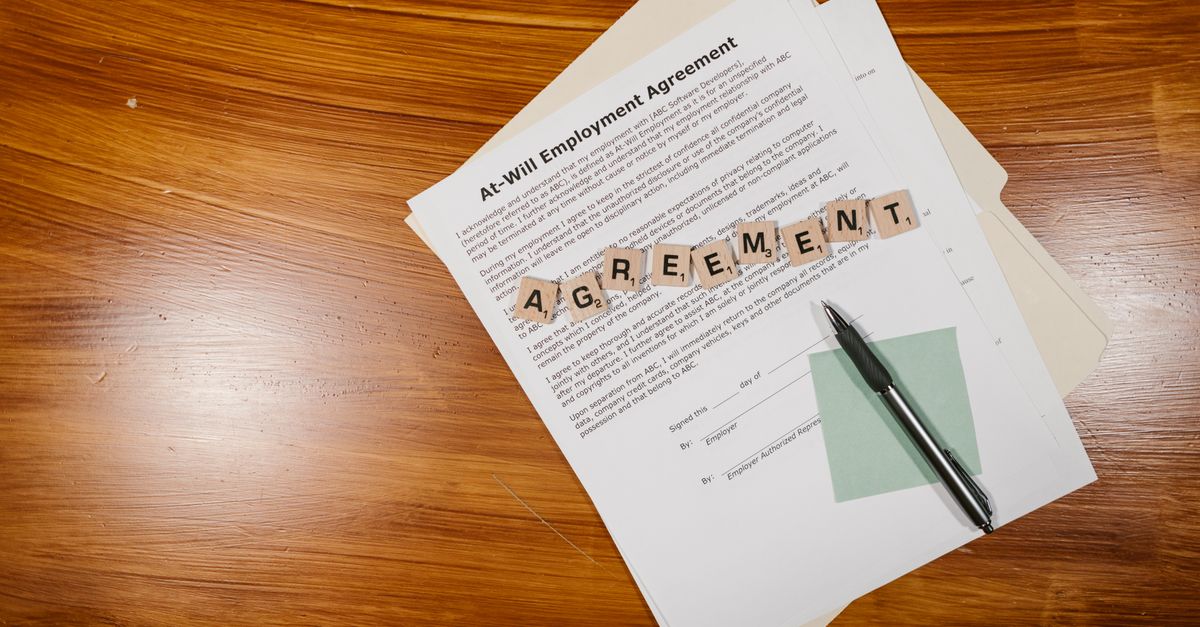
Camden Property Trust’s shares jumped 6% in the last month, underscoring how lease nuances can shift a landlord’s bottom line (Camden Property Trust). The three biggest lease termination myths are that any clause is enforceable, that tenants can exit without penalty, and that short-term rentals are exempt from standard rules.
Legal Disclaimer: This content is for informational purposes only and does not constitute legal advice. Consult a qualified attorney for legal matters.
Myth #1: Any Termination Clause Is Automatically Enforceable
When I first reviewed a lease for a downtown mixed-use building, the owner assumed a vague “early exit” provision would protect him against any surprise vacancy. In practice, courts demand clear language, mutual consent, and compliance with state statutes before a clause sticks. A vague clause can be declared void, leaving the landlord with an empty unit and lost rent.
Per the recent article “Lease Termination Clauses: Know the Target Before Pulling the Trigger,” landlords often overlook the need for specificity. The piece emphasizes that a clause must define the triggering event, notice period, and any applicable penalties. Without those elements, the clause becomes a decorative paragraph rather than a legal shield.
In my experience, the most common language pitfall is using terms like “reasonable” without quantifying them. For example, a “reasonable notice period” can be interpreted in many ways, and a judge may side with the tenant if the notice was shorter than what the landlord intended. I always replace vague adjectives with exact numbers: “30-day written notice” or “60-day notice for commercial spaces over 5,000 sq ft.”
Another hidden cost is the jurisdictional variation. Some states require a statutory grace period before a landlord can enforce a termination for breach. If you draft a clause that conflicts with local law, the entire provision could be struck down, forcing you to start the eviction process from scratch.
To avoid these traps, I follow a three-step checklist:
- Identify the precise event that triggers termination (non-payment, breach of use, etc.).
- State the exact notice period and delivery method (certified mail, electronic notice, etc.).
- Reference any statutory limitations or mandatory remedies required by state law.
When each step is documented, the clause stands up better in a dispute, and you save yourself from costly litigation.
Key Takeaways
- Clear, specific language beats vague promises.
- State notice periods in exact days.
- Align clauses with local statutes.
- Use a three-step checklist for drafting.
- Regularly review clauses after law changes.
Myth #2: Tenants Can Terminate Without Penalty If They Give Notice
Last year I helped a landlord in Phoenix who thought a simple “30-day notice” gave tenants free reign to break the lease. The tenant exercised that right, stopped paying rent, and left the unit vacant for three months. The landlord’s attempt to claim damages fell flat because the lease lacked an early-termination fee clause.
According to Deloitte’s 2026 commercial real estate outlook, lease defaults have risen modestly as market volatility increases, prompting many owners to tighten termination provisions. While the report does not give a precise default rate, it warns that “unstructured termination rights can erode cash flow.” This insight aligns with the reality that many landlords underestimate the financial impact of unchecked tenant exits.
The misconception often stems from mixing “termination” with “notice.” A notice simply informs the other party of an impending action; it does not, by itself, waive financial obligations. If the lease does not specify a penalty - such as a liquidated damages fee or a forfeiture of the security deposit - the tenant can walk away with minimal cost.
In practice, I advise landlords to embed one of two options:
- A fixed early-termination fee equal to one or two months’ rent, which compensates for the vacancy period.
- A “step-down” penalty that reduces over time, encouraging tenants to stay longer if they decide to leave early.
These mechanisms must be crystal clear in the lease. I also recommend adding a clause that obligates the departing tenant to continue paying rent until a replacement tenant is found, or until the lease expires - whichever comes first. This protects the landlord’s cash flow while still giving the tenant a defined exit path.
Another layer of protection is a “mitigation” requirement. Many states obligate landlords to make a good-faith effort to re-let the unit. By documenting that effort (advertising, showing the property, etc.), you can later claim any shortfall in rent as damages, provided the lease supports it.
In short, a notice alone does not equal a free exit. Landlords must pair notice rights with financial consequences to preserve revenue.
Myth #3: Short-Term Rentals Aren’t Subject to Standard Termination Clauses
When a client in Austin converted a 12-unit building into short-term rentals, she assumed the usual 12-month lease termination language didn’t apply because guests stayed only a few days. She later faced a series of “cancellation” disputes that left her paying refunds without recourse.
The reality is that even short-term agreements are contracts, and they can contain termination provisions - though the language differs. The same “lease termination myths” article points out that “any contractual relationship, regardless of length, benefits from clear exit terms.”
For short-term rentals, the primary risk isn’t a tenant breaking a year-long lease but a guest demanding a refund or a platform (like Airbnb) imposing penalties. A well-crafted short-term agreement should address:
- Cancellation windows (e.g., 48-hour notice for a full refund, 24-hour for a 50% refund).
- Force-majeure clauses that allow you to cancel without penalty for events like natural disasters.
- House rules violations that trigger immediate termination and forfeiture of the security deposit.
In my practice, I also advise landlords to include a “minimum stay” clause when they want to limit turnover, which can reduce administrative overhead and protect revenue.
Another misconception is that platform policies replace lease language. While platforms provide standard cancellation rules, they do not supersede a private agreement you have with the guest. If you embed stricter terms in your own contract, you can enforce them in court - provided they comply with local consumer-protection laws.
Finally, be aware of local ordinances. Many cities require short-term rentals to register and to follow specific notice and termination guidelines. Ignoring these can result in fines that dwarf any missed refund.
By treating short-term stays as mini-leases and drafting appropriate termination language, landlords avoid surprise costs and maintain control over their inventory.
Building a Bulletproof Termination Clause
After seeing dozens of lease disputes, I developed a template that has held up in multiple jurisdictions. Below is the core structure I recommend, followed by a brief explanation of each element.
| Component | What to Include | Why It Matters |
|---|---|---|
| Trigger Event | Non-payment, breach of use, illegal activity, or mutual agreement. | Specifies exactly what gives rise to termination. |
| Notice Period | 30-day written notice for residential, 60-day for commercial. | Creates a clear timeline for both parties. |
| Penalty / Liquidated Damages | Amount equal to one month’s rent or 50% of remaining lease value. | Compensates landlord for vacancy risk. |
| Mitigation Obligation | Landlord must make good-faith efforts to re-let. | Limits liability for unfilled space. |
| Governing Law | State of California (or applicable state). | Ensures consistency with local statutes. |
When I incorporate this matrix into a lease, I also add a short “Definitions” section that clarifies terms like “notice,” “vacancy,” and “force-majeure.” That eliminates any ambiguity during a dispute.
Another tip: include a “severability” clause. If a court finds one part of the termination provision unenforceable, the rest of the lease remains intact. This safety net has saved clients from having the entire lease invalidated because of a single technical error.
Finally, always run the final draft past a local attorney familiar with landlord-tenant law. Even the best-crafted clause can run afoul of a new ordinance or case law you might not be aware of.
Common Pitfalls and How to Avoid Them
Even with a solid clause, landlords stumble over implementation. Below are the pitfalls I see most often and the steps I take to prevent them.
- Failing to Deliver Notice Properly. Email alone is risky in many states. I require certified mail with return receipt, and I keep a copy in the lease file.
- Overlooking Tenant’s Right to Cure. Some statutes give tenants a chance to fix a breach before termination proceeds. My templates include a “cure period” that aligns with state law.
- Ignoring Rent-Abatement Clauses. If a landlord must perform repairs, tenants may be entitled to reduced rent. I track repair timelines to ensure any rent-abatement is justified and documented.
- Misapplying Security Deposit Rules. A security deposit cannot be used to cover liquidated damages unless the lease says so. I advise landlords to keep a separate “termination fee” account.
- Not Updating Leases After Legal Changes. I schedule an annual lease audit. When a state amends its notice-period requirement, I send a brief amendment to all tenants.
One of my clients in Chicago ignored a new municipal ordinance that required a 45-day notice for commercial terminations. When he tried to enforce a 30-day clause, the tenant filed a counter-claim, and the court ruled in the tenant’s favor. The landlord ended up paying back rent and legal fees - an avoidable loss.
To keep your lease arsenal sharp, I follow a quarterly checklist:
- Review state statutes for updates on notice periods and penalty caps.
- Confirm that all active leases reference the latest template language.
- Verify that every notice sent in the past quarter was delivered using the approved method.
- Document any mitigation efforts for vacant units and store the records securely.
- Consult with legal counsel on any new case law that might affect enforcement.
By treating lease termination as an ongoing risk-management process rather than a one-time drafting exercise, landlords protect cash flow and avoid the million-dollar pitfalls that dominate headlines.
"The stock of Camden Property Trust rose 6% in the last month, highlighting how lease terms can directly impact valuation." (Camden Property Trust)
FAQ
Q: Can I enforce a termination clause if it conflicts with state law?
A: No. Courts will strike any provision that violates statutory requirements, even if both parties signed the lease. The clause becomes void, and you must rely on default legal remedies.
Q: How much should an early-termination fee be?
A: A common benchmark is one to two months’ rent, or 50% of the remaining lease value, whichever is higher. This amount balances deterrence with enforceability and usually passes legal scrutiny.
Q: Do short-term rental agreements need the same termination language as long-term leases?
A: Yes, they are still contracts. While the language is shorter, you should still define cancellation windows, penalties, and force-majeure events to protect your revenue.
Q: What is the best way to deliver a termination notice?
A: Certified mail with return receipt is the most defensible method. Keep a copy of the notice and the receipt in the lease file as proof of delivery.
Q: How often should I review my lease clauses?
A: Conduct an annual audit, but add a quarterly check for any changes in local statutes or recent case law that could affect enforceability.